Scenes of protestors tearing down statues of figures from history around the world this week have prompted conversations here in Australia about what to do with our monuments to people with stories, that from our perspective here in the future have become problematised. If the conversations aren’t happening already around the names of some of our universities — James Cook, Deakin, and Macquarie — then you can be sure they will be soon. When the moral code of the present is applied to towering figures of the past — especially those memorialised as statues in public places; held up as examples to us all, cultural and architectural reminders of our story — it becomes clear those figures have feet of clay. A new story for our cultural moment means a hunt for new icons from past and present.
History is an important teacher, and while erasing these figures from our national, or international, stories might help us forget some sordid aspects of our racist past here in the west, their removal will not necessarily guarantee a better future. It will also remove, with the clay feet, those good deeds that these figures performed; as Russian author Aleksandr Solzhenitsyn puts it, the line between good and evil cuts through every human heart. One photo of a plaque to Winston Churchill, defaced with the word “racist,” that I saw this week on Twitter was framed with the statement “wait till they hear about the other guy.”
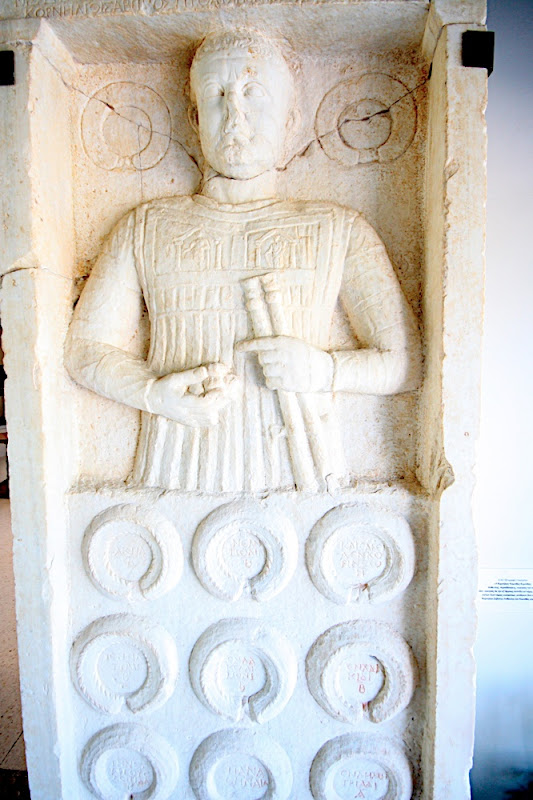
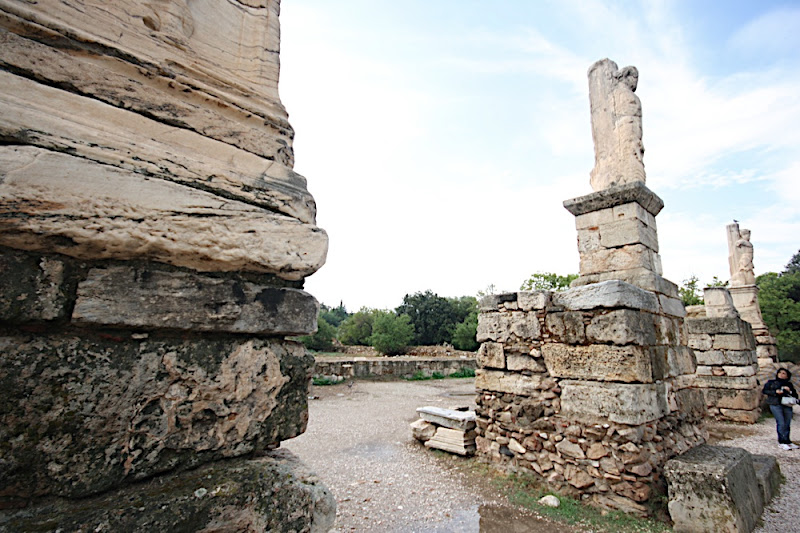
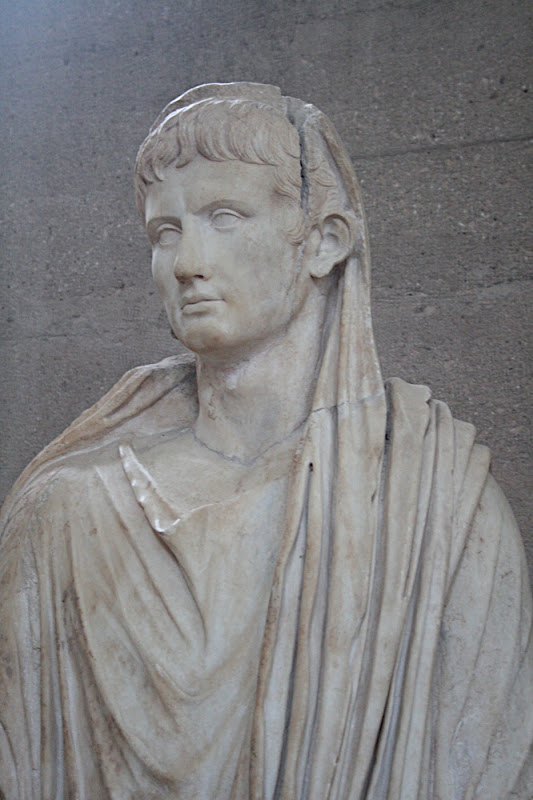
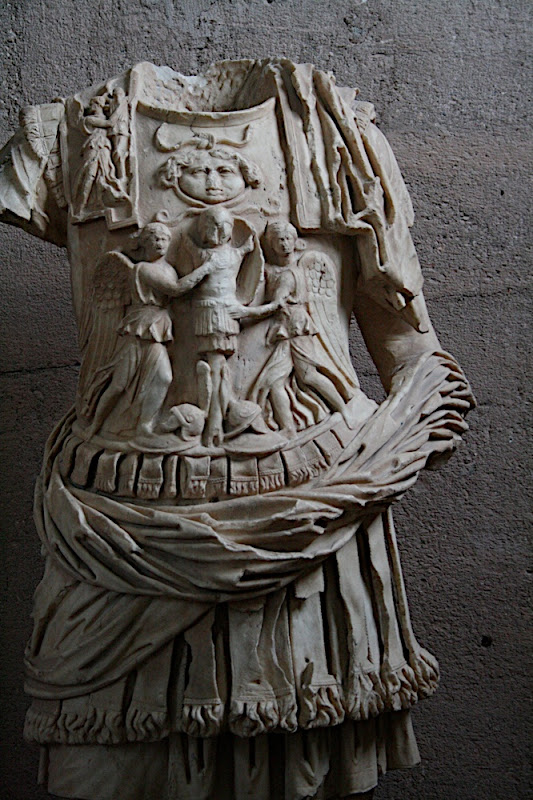
In the Roman world statues were a popular form of propaganda; those looking to gain favour with the empire would commission and build statues of the imperial household, and these statues would become icons that dictated fashion, even hairstyles, throughout the Roman world. The Greco-Roman world were no stranger to a good old fashioned statue toppling either; an orator named Favorinus had so pleased the people of Corinth that they erected a statue to him, putting him on a pedestal in the city’s library, as an example of the sort of oratorical skill and thoughtfulness they hoped their city might aspire to. In a speech Favorinus gave to the Corinthians about this honour he said they placed his image “where you felt it would most effectively stimulate the youth to persevere in the same pursuits as myself.” This quote comes in a speech Favorinus gives to the Corinthians having returned to the city to discover his statue — a monument to him as an icon — is no longer standing; he accuses the Corinthians of a personal attack.
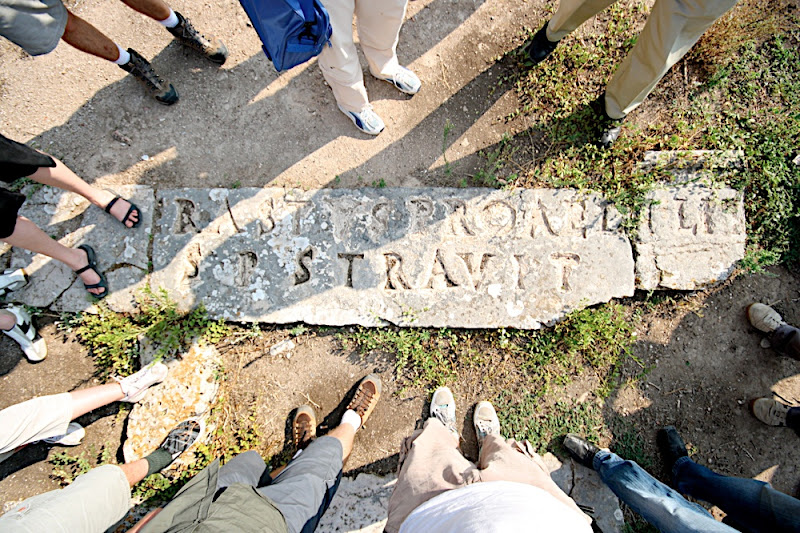
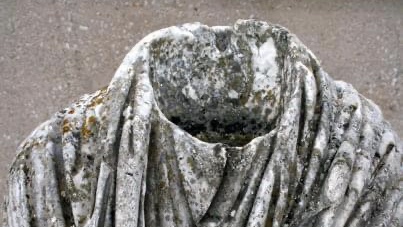
There was a common practice in the ancient world of ‘damnatio memoriae,’ a latinism with a meaning not so difficult to decipher in English; the eradication of a person from memory via the destruction of their icon; a collective refusal to view a person as an icon or image from whom a culture seeks inspiration or example. This, of course, was an expensive practice when statues were carved of marble, by artisans, so such damnation could include the defacing of an inscription, or the reuse of marble slabs in promenades; a toppled statue could literally be trodden into the ground. Another Roman practice tied to this sort of cultural iconography, and perhaps to save on costs, was the practice of producing statue bodies with removable heads; people could check in on who was trending (and what fashion to adopt), knowing the statues and their iconography would keep pace with the political and cultural times.
Recent iconoclastic rallies are, rightly, asking questions about whose images should be used to inspire today’s youth (and the not so young). What human from history (or the present) is fit to serve as an inspiration for ‘the good’? Selecting someone to semi-immortalise in a more concrete form than the flesh is difficult in the present, and made almost impossible with the benefit of hindsight and progress. Sporting figures being celebrated for their sporting prowess seem safe, after all, King Wally is still the king of Lang Park; and yet, while ‘image rights’ are an increasingly valuable commodity in the sporting world, if there’s one thing media coverage of the off field exploits of many of today’s athletes tells us, it’s that athletic prowess should not qualify someone as an icon or example. It’s better for companies to celebrate athletes in pixel and print, than in stone or bronze.
Part of the question about making a statue (or tearing one down) is a question of who should represent us; who should present an image to us of the ideal person, who should we aspire to be? But another function of images is that they serve as objects in a cultural architecture, or what Canadian philosopher Charles Taylor calls ‘a social imaginary,’ they help frame our beliefs, values, and understanding of virtue. It seems right to be careful about whose visage or name we memorialise, and right to be prepared to damn some icons or even tred them into the ground; but another question we might ask ourselves is what this realisation that even our heroes in history had feet of clay, is perhaps we should be asking ourselves about the danger of iconography to begin with. The anger we feel when an icon; or an ideal; disappoints; that anger might be because these icons have become idols. In the ancient world the line between icon and idol was a fairly blurry one; the same images on street corners of the imperial family could also be found in imperial temples dedicated to the worship of the Caesars, alongside the Roman pantheon. Perhaps these objects are actually occupying a ‘sacred’ space in a modern civic religion; one where we’ve pushed out the old gods, or God, and turned to people to fill a place previously occupied by something transcendent. Perhaps what we’re seeing in the toppling of these statues is an act of desecration; a deliberate renunciation of previous forms of worship, or religion, or visions of the good life, so that we might replace the religious symbols of the past, and their representation with a previous story, with images that we, in the present, wish to create.
And maybe here there is some wisdom in those ancient words that are, sometimes themselves, erected as stone monuments near civic institutions; the ‘Ten Commandments’ — God’s commands, through Moses, to the people of Israel. Commandment number two is a prohibition against making and worshipping ‘graven images,’ this is part of what was meant to be an Israelite commitment to monotheism; a rejection of the icons and gods of the surrounding nations, based on a wholehearted commitment to worshipping the God who could not be reduced to an image. The God of the Bible is a living, breathing, creating God who gives life to his own living, breathing, images (or icons in the Greek text of the Old Testament). Part of the prohibition of icons and idols is that people — typically ancient rulers — will never properly represent the goodness of God or a truly good pattern of humanity; to worship them, or an image of any other thing, is to commit yourself, to aspire, to becoming like them. You become what you worship. The choice about what to immortalise in bronze or stone is an important one — and in the moral vision of the Bible, we’re better off not making that choice at all; remembering that humans are humans who will disappoint, who will be capable of good and right choices, but who will — in the Bible’s vision — always be ‘dust’ infused with divine breath; with feet of clay, and hearts capable of leading us to both goodness and evil.
In the story of the Bible there is one true image of the good human life; one true icon who should be imitated. Jesus, who the apostle Paul describes as “the image of the Invisible God,” the one good man. As statues and icons are toppled in modern damnatio memoriae, the image of Jesus remains the image of a human who did no wrong, who stood for the oppressed rather than the oppressor, who because all people are made in the image of God, offered his life to secure life for us, who loved and forgave his enemies and taught us to do likewise, even as the powerful rulers of his day, those busy building statues of themselves, created a system that was used to put him to death; crucifixion was a certain sort of damnatiomemoriae in the Roman world, and yet it is Jesus, not Caesar, whose memory stands the test of time, and who stands as one hero from history whose example is worth turning to even now.